The Djinn of Zen
Currently on my journey back to me.
Let’s talk about laughter, humor, and healing—and why laughter truly is the best medicine.
Growing up, I went to every kind of church I could find—especially churches in the South. Something that always stuck with me from those old-timey churches, the ones from my childhood, was how the pastor would always work in a joke. You had to have laughter. That was part of the experience.
Because back then, church was a safe space. A sacred space. It was where you could testify, witness, share your pain, your joy, and your truth—without judgment. Only God could judge. And when you’re in a space that safe, laughter becomes healing.
I never really thought deeply about this until I was talking to a friend whose family wanted to switch to Catholicism—not because of theology, but because of the confessional. The South used to have testimony time. We don’t have that anymore. And losing that safe space broke my heart a little. Because for me, that space was also full of laughter.
That’s what I create now when I hold space for others. If I’m involved, there’s going to be joy. There’s going to be laughter. If it’s not fun, I don’t want to do it. And that’s just how I move through life.
Even as a child, people laughed at what I said—and I didn’t always understand why. But it made them happy, and that made me happy. That’s the power of laughter. Whether they’re laughing with you or at you, they’re still releasing. They’re softening. They’re opening.
The ego will try to tell you it’s a bad thing—especially when you feel laughed at. But when you’re in a safe space, with people who love you, it doesn’t matter. All they have to do is see the confused look on your face and they’ll explain the joke. And then you both laugh.
That’s healing. That's the connection.
I’ve learned to accept this about myself. I’m funny. I’m different. I’m not going to psychoanalyze every interaction to make sure my words land perfectly. My humor is wide-ranging, and I will find the funny in just about anything. And I love that about myself.
I don’t want to be a comedian—I don’t want to entertain people for a living—but I’ve always cracked myself up. And that made me feel like the fool at times, like the court jester. That used to feel negative.
But then I got into spiritual work and realized: the Fool makes progress. The Fool is the one who moves. The Fool is the one who observes and advises the king. The Fool is usually the wisest one in the room—because when people are laughing, they’re vulnerable. And when you observe what makes people laugh, you see them. You learn who they are.
Laughter reveals a lot. It’s intimate. It’s personal. And yes, we judge others by what they laugh at—maybe not harshly, but we take note. That’s how we find our tribe. That’s how we build connections. People who laugh at the same things tend to vibe.
But here’s the thing: if you’re too attached to that, you might be excluding people. You might be pushing away opportunities to connect just because their humor doesn’t match yours. And that’s okay, too—until it becomes a filter that keeps you from seeing someone’s heart.
In close relationships, humor becomes language. We send each other memes, reels, videos—because we know what will land.
So yes, laughter really is the best medicine. And it’s free. It’s abundant. It’s healing.
When we let go and open up, we find it in ourselves—and in others. And that, right there, is joy.

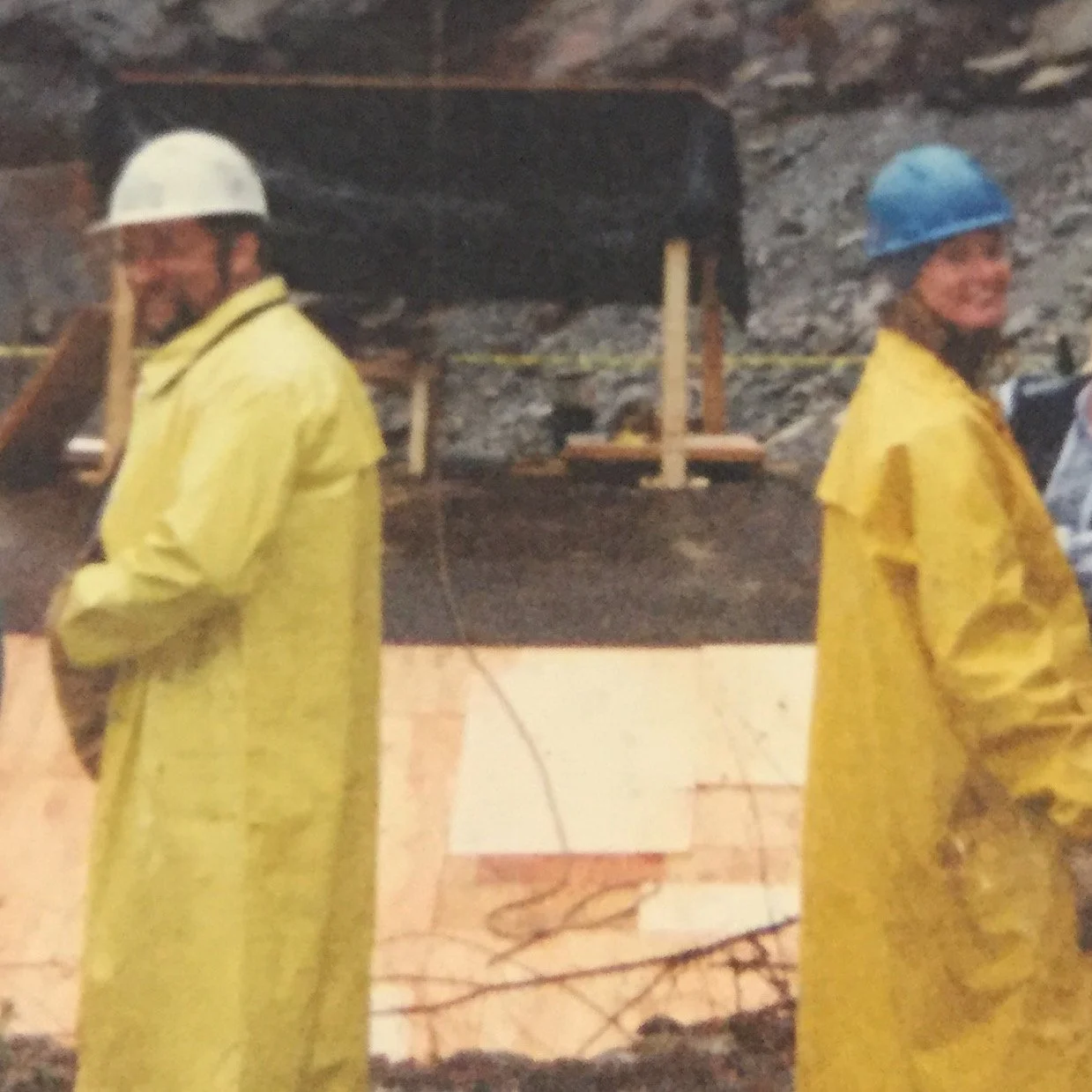
That’s my Dad Jim on the left. He was the foreman and I was the newbie. This was at Ocoee #2 Stick Dam - we were resurfacing the backside of the dam with marine plywood.